
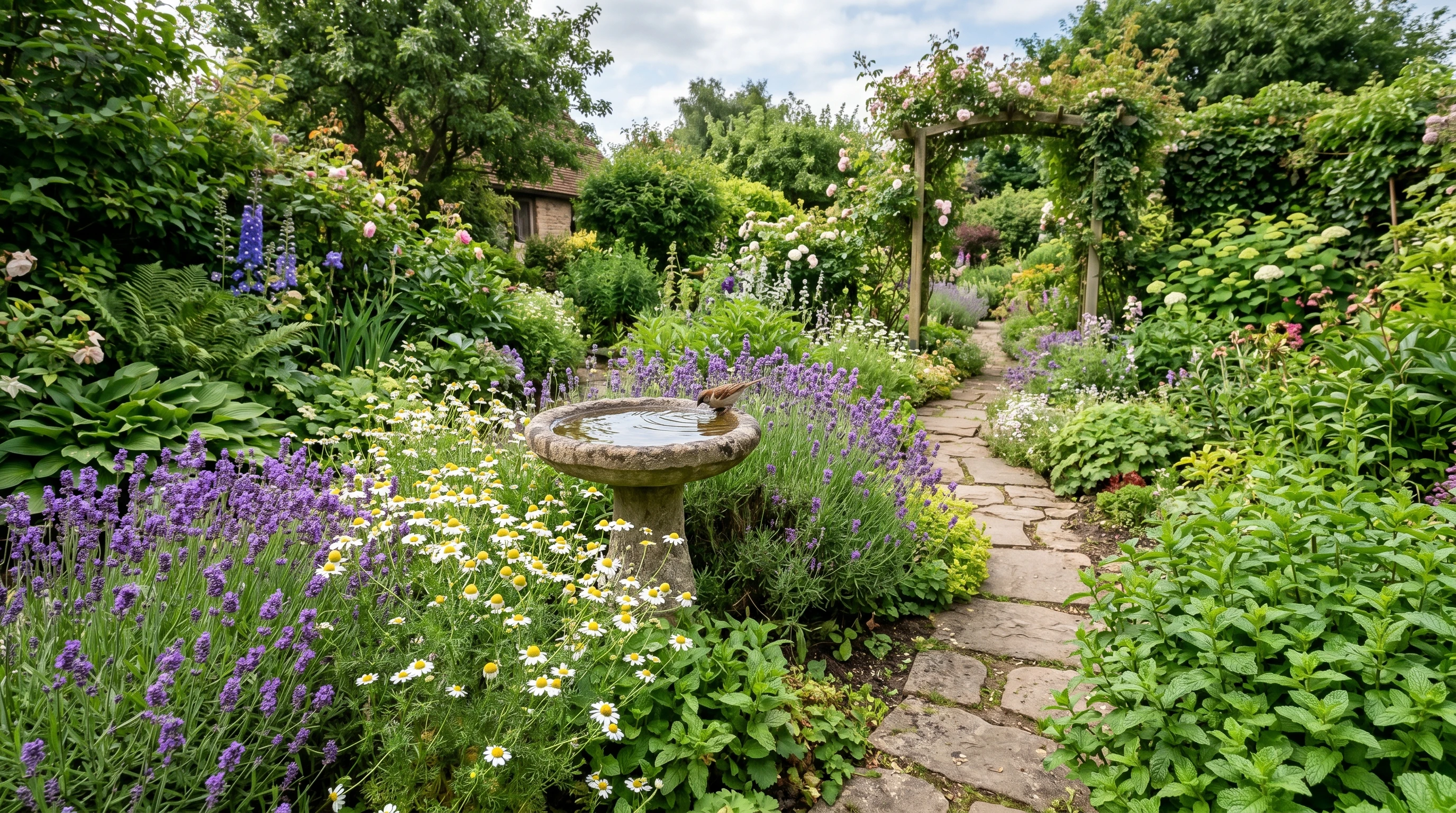
It is so important to create a serene outdoor space with stress- relieving plants. The garden is a place where I feel peace and calm in the midst of hectic and stressful times. Gardening is needed for my soul, one way or another. It gives some kind of peace and harmony I need to deal with those stressful times we are facing.
The garden can become your safe haven from life’s stressors. This is why it is needed to think about stress – relieving plants. Let’s explore this topic more!
As an Amazon Associate, I earn from qualifying purchases
Welcome to Your Guide to a Serene Outdoor Space
If you have been dreaming of creating a peaceful retreat right in your own yard, you are in the right spot. A lot of folks want an outdoor area that feels relaxing after a long day, and adding the right stress-relieving plants can totally make that happen. I will walk you through the basics and share some of my go-to plants for bringing more calm into your life. If you still have questions after reading, I am always up for chatting about plants via my contact page.
Why Stress-Relieving Plants Matter
What makes certain plants relaxing?
Some plants have scents, colors, or textures that help you de-stress. Lavender, for example, is famous for its calming scent, while the color green in general has been shown to help lift your mood. Being around nature just helps your body and mind chill out, so choosing the right plants for your outdoor space is a move you might want to consider if you are looking for more peace at home. There are even studies suggesting that just looking at greenery can make you feel more relaxed and focused, making it a smart move for supporting your overall well-being.
How do plants help with stress?
Studies suggest that being outdoors and gardening can lower stress hormones, help you sleep better, and even improve focus. The act of tending plants can be grounding, giving you something positive to look after. These effects go beyond just looks. Spending time with greenery genuinely helps your body and mind relax, offering both mental and physical benefits. Even just a few minutes among your favorite plants can make a big difference to your mood.
Do you want to get some garden tools? CLICK HERE to choose and get
Choosing the Right Plants
Best stress-relieving plants for outdoors
I have tried out a bunch of different plants over the years, and there are some that seem to be favorites for anyone looking to kick back and relax:
- Lavender – The scent is super calming, and it looks beautiful in borders or planters.
- Chamomile – Those little daisy-like flowers are gentle on the eyes, and you can even use them for homemade tea.
- Jasmine – This one smells sweet in the summer evenings and is perfect near a porch or window.
- Basil – The scent and cheerful look of the leaves can perk up a garden, plus you get fresh basil for your meals.
- Bamboo – It grows quickly to create privacy and has a soothing rustle in the breeze.
- Mint – Easy to grow and really fresh, mint is perfect by a sitting area so you can grab some for afternoon drinks.
Other good options include rosemary, which offers a piney, energizing scent, and ferns, which can add lushness and textured calm. If you want something colorful, try marigolds or calendula for cheerful blooms that are simple to care for as well.
How do I know which plants are right for me?
I always check my local climate first. Some plants, like lavender, love full sun and dry soil, while others, like ferns or hostas, do better in the shade. Think about the vibe you want, too. Do you like a wild, natural look, or something tidy and structured? Your taste and lifestyle will help you pick the best fit. Local garden centers are also pretty handy for getting advice on what works in your area. Don’t forget to think about allergies as well; make sure the plants you pick are comfortable for everyone in your household.
Simple Ideas for a Calmer Outdoor Space
How do I design a stress-relieving garden?
You don’t have to do anything fancy to get a soothing vibe outdoors. Here’s what I recommend to keep things easy but effective:
- Mix scented and non-scented plants to create layers of interest.
- Add a comfy chair or hammock where you are surrounded by greenery.
- Include water features like a birdbath or small fountain for gentle background noise.
- Group plants with soothing colors like soft blues, greens, and purples.
- Use mulch and stepping stones to keep things tidy and low-maintenance.
Lighting matters too. Adding solar lanterns or string lights can turn your garden into a cozy spot in the evening, helping you relax under the stars. Wind chimes, pebbles, and a small meditation corner with a cushion also help make your garden a true retreat. Don’t be afraid to adjust things as the seasons change to keep it feeling fresh and peaceful all year long.
Can I create a peaceful space in a small yard or on a balcony?
Absolutely. I have helped friends turn even the smallest patios into chillout zones. Focus on pots or hanging baskets filled with calming herbs like rosemary, mint, or small lavender bushes. Even one or two big planters with your favorite plants can make a spot feel more peaceful. Lightweight outdoor furniture and a small water bowl can add finishing touches without taking up much space. Try stacking planters vertically if you’re low on floor space or add a few cushions to create a snug nook where you can unwind and breathe in the fresh scents from your plants.
Caring for Your Stress-Relieving Plants
Are these plants hard to maintain?
Most of the plants I have mentioned are pretty low maintenance as long as you get the basics right. For example, lavender and rosemary need lots of sun and well-drained soil. Mint and basil like more regular watering, but can be grown in containers to keep them tidy. If you ever feel unsure, guides from sites like the Old Farmer’s Almanac offer super practical care advice. Just remember to trim your plants occasionally and keep an eye out for signs of overwatering or pests. Proper spacing between plants will also give them room to breathe and lower the chances of mildew or rot.
Any tips for watering and feeding?
Water early in the morning or late afternoon to help plants absorb moisture before the heat kicks in. Most leafy herbs enjoy regular food, but flowering plants usually need less. I always check the soil with my finger and only water when it is dry to the touch. Overwatering is a common mistake with stress-relieving plants, so a little restraint goes a long way. Use rain barrels or recycled water for an eco-friendly touch, and apply organic mulch or compost to give your plants a natural boost throughout the growing season.
Conclusion
A garden can be an amazing place to be, and a place where you can deal with stress relief. Hope you got some new ideas on what to do in the garden and how you can make the garden your serene place rather than other places where stress lives.
If you run into any snags along the way or want to show off your completed peaceful retreat, I would love to hear from you. Head to my contact form or find me on social media. I am always happy to see what others create with a little bit of soil and some good plant picks! Don’t hesitate to reach out if you want help solving a tricky gardening problem or want to share how much calmer your space has become with the right plants. Let’s keep growing peaceful spaces together.
What do you think about this article? Do you have any advice or suggestions? Please let us know your thoughts and write in the comment section below.
Meditation is always great for stress relief and relaxation. CLICK HERE to learn more about it
I would like to hear from you, so please leave me a comment below to let me know if this article helped you.
If you want to know more about ways you can manage stress, please subscribe to this blog.
If you think this article is helpful, please share it.
Thank you! Have a nice day! Until later
Linda Mo
Founder and owner of How To Reduce Stress Naturally