Essential oils are one of the things that could help us relax, let go of the stressful day we had, and overall can bring an amazing and relaxing evening if used in a diffuser. Today we are going to talk about how to use essential oils for stress relief. Surely many of us wish to know how to live in this world full of worries and stressors. Relaxation and using essential oils for that could help. So today we are going to talk about that. Let’s see!
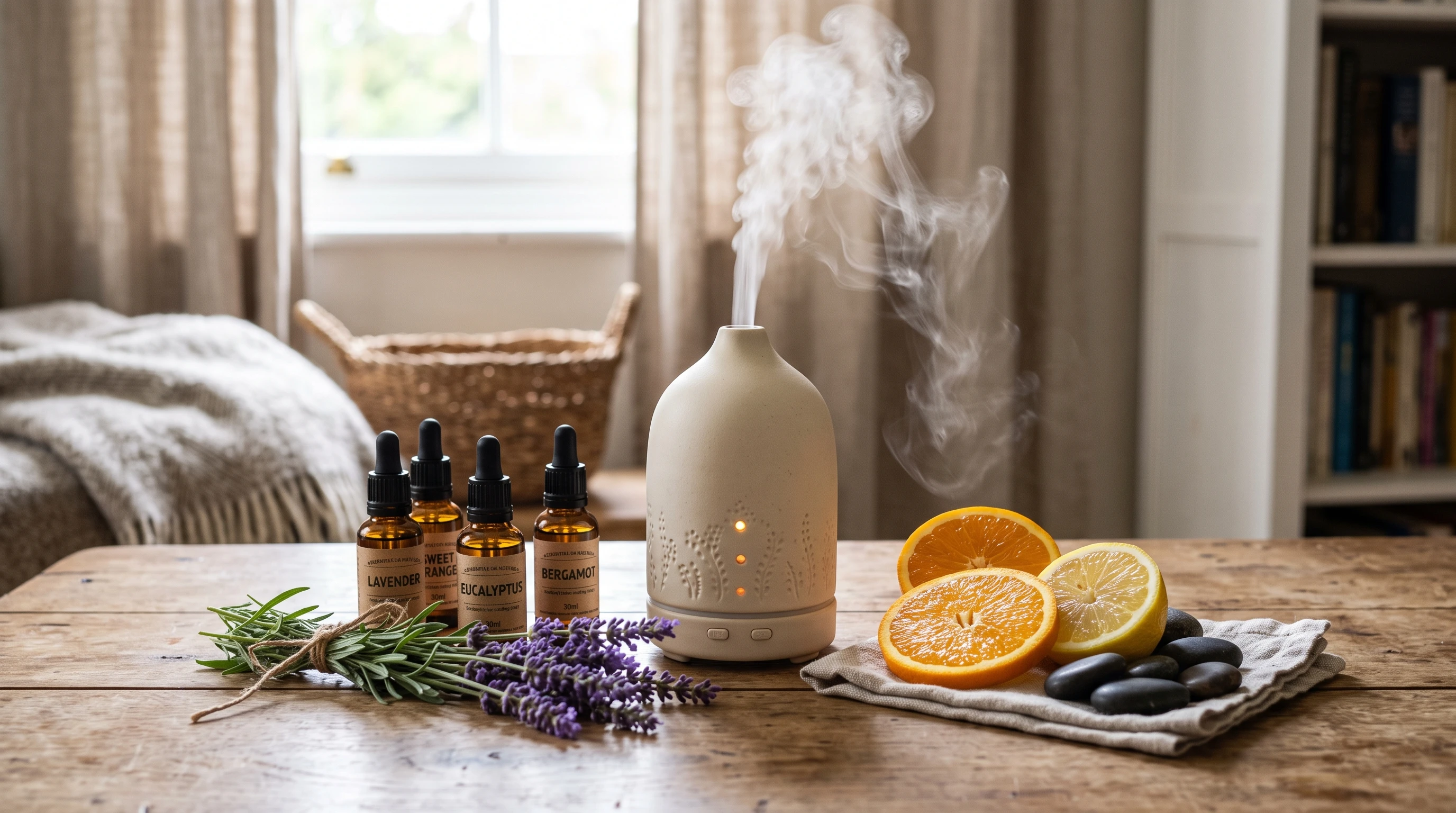
Stress can sneak up on anyone, especially when life feels busy and unpredictable. I have found that using essential oils is a simple and natural way to create calm when things get overwhelming. You don’t need fancy equipment or a lot of experience. Just a few drops of the right oil and some easy-to-understand tips can make a difference in how you feel, both mentally and physically.
If you are new to essential oils, don’t worry. I am here to guide you through the basics—from picking out calming oils to the different ways to use them safely. Whether you are dealing with work stress, trouble sleeping, or just need a break after a long day, there is an oil out there that can help. This guide keeps stress relief practical and totally doable for everyday life.
Getting Started: Understanding Essential Oils for Stress Relief
Essential oils are concentrated plant extracts, and people have used them for centuries to help feel more balanced, focused, and relaxed. Different oils come with different benefits, so it is worth knowing a bit about what you are putting to work before you start.
Popular Essential Oils for Calming Stress
- Lavender: Known for helping people wind down, lavender is often my first choice for relaxation and sleep.
- Bergamot: This citrusy oil gives a gentle mood boost and helps soothe anxious feelings.
- Chamomile: Great for calming nerves, chamomile oil is very gentle and smells wonderful.
- Frankincense: Famous for helping the mind settle, frankincense feels grounding if your thoughts are racing.
- Ylang Ylang: This sweet-smelling oil is great for balancing emotions during stressful moments.
There are plenty of oils out there, but these are ones I have seen and felt make a real difference when life gets hectic.
How Essential Oils Work for Stress Relief
When you breathe in the aroma of an essential oil, it quickly sends signals to the part of your brain responsible for emotions and memory—the limbic system. Some oils also absorb through your skin, giving both mind and body benefits. Just a few minutes with the right oil can make your day feel a lot less stressful.
Step 1: Choose the Right Oils for Your Needs
Picking the best oil for you depends on when and how stress pops up in your life. I like to keep a few different oils around so there is always something that fits the situation. Having variety gives you flexibility for any mood or challenge.
Tips for Picking Calming Oils
- Test a few oils before settling on favorites. Scent preferences can be very personal, so see what works for you.
- Check the label for quality. Look for pure, undiluted essential oils without synthetic perfumes or fillers.
- If you have allergies or very sensitive skin, start with gentle oils such as lavender or chamomile.
Once you have found an oil or two you enjoy, you are set to move on to putting them to good use!
Step 2: Simple Ways to Use Essential Oils for Stress Relief
There’s not just one right way to use essential oils. I use different methods depending on my mood, how much time I have, and where I am. These are some of the easiest ways to work oils into your daily routine:
1. Diffusing
- Add a few drops of essential oil to a diffuser filled with water. Let it run for about 30 minutes. The scent fills the room and helps you relax without much effort.
2. Inhalation
- Put 2-3 drops of your chosen oil into a bowl of hot water. Cover your head with a towel and breathe in the steam for a few minutes.
- Or, put a drop or two on a cotton ball and keep it nearby as you work or rest.
3. Topical Application
- Mix 2-3 drops of essential oil with a teaspoon of carrier oil (like coconut, almond, or jojoba). Gently rub it into your wrists, temples, or the back of your neck.
4. Bath Soaks
- Add 4-6 drops of calming oil to a warm bath, mixed with some unscented bath oil or Epsom salts. I really enjoy using lavender in the tub after a long day. You can also use chamomile oil.
Using essential oils doesn’t need to be complicated. Even just smelling the bottle for a few seconds can help in a pinch.
Step 3: Create Daily Stress Relief Rituals
Staying consistent makes a big difference with stress relief. It helps to set up small essential oil routines throughout the day that become your go-to when things start to get overwhelming. With a little practice, these simple rituals can help you stay calm and more centered no matter what comes your way.
Morning Routine Ideas
- Diffuse energizing oils like bergamot or a citrus blend while you get ready.
- Add a drop of lavender to your wrists or temples if you wake up feeling anxious.
Midday Stress Breaks
- Keep a roller bottle of diluted oil in your bag or at your desk for a quick pick-me-up.
- Pause and take a few deep breaths with a calming oil if you start feeling frazzled at work or school.
Bedtime Wind-Down
- Diffuse chamomile or lavender as you dim the lights in the evening.
- Add an oil blend to your pillow or bedsheet to cue a relaxing mindset for sleep.
You can even mix your own blends once you feel comfortable, combining your favorite scents to suit your tastes and needs. The most important thing is to keep your essential oil rituals easy and enjoyable so that you look forward to them every day.
Safety Tips for Using Essential Oils
Remember, a little goes a long way with essential oils, and it is always safer to start slow. Here are some quick safety tips I have picked up along the way:
- Never use undiluted oils directly on your skin; always mix with a carrier oil first.
- Don’t take essential oils by mouth unless guided by a qualified health professional.
- Patch test new oils by applying a drop (diluted in carrier oil) to your inner arm and waiting 24 hours.
- Some oils make skin more sensitive to sunlight (bergamot and other citrus oils especially), so avoid sun exposure after topical use.
- Store oils out of reach of children and pets.
If you are pregnant, nursing, or have any health concerns, always check with a trusted doctor before starting with essential oils. Safety first helps you get the most benefits from every drop.
Want to Try an Essential Oil?
A good-quality essential oil can be a simple addition to your relaxation routine. Lavender is a popular choice for its calming aroma. Look for oils that clearly list the plant name and ingredients, and always follow the product’s instructions for safe use.
👉 [Check out this essential oil here]
Affiliate disclosure: I may earn a small commission if you purchase through this link, at no extra cost to you.
Common Questions & Troubleshooting
What if I can’t stand the smell of a certain oil?
Skip it! Scents are very personal, and there is usually an alternative. For instance, if lavender doesn’t appeal to you, try sweet orange or cedarwood for a different calming effect.
How do I know if I am getting a quality oil?
- Look for oils that are 100% pure and list the Latin name and country of origin on the bottle.
- Pick companies with strong reviews, clear sourcing info, and no added synthetic fragrances or fillers.
Can I use essential oils around pets?
Some oils are safe, but others can be toxic to animals. Always do a bit of research or talk to your vet before diffusing oils if you share your space with pets.
Conclusion
Surely essential oils are not for everyone, but I really think there is some essential oil for everyone. There are many uses, and it is very likely that you can find one you can enjoy. Like, I was skeptical about diffusers and essential oils before I used lavender oil for my diffuser. I enjoyed it, and my headache was gone all of a sudden.
Using essential oils is a handy way to add more calm to your everyday life. You can start with just one oil and one method—perhaps a simple roller or a basic diffuser—and try things out to see what fits you best. Sticking to the basics and keeping things consistent turns oils into a reliable tool you can count on.
Easy Action Plan:
- Pick one calming oil (like lavender or bergamot) to try this week.
- Try it in your diffuser, bath, or as a simple inhalation at your most stressful time of day.
- Make a little ritual out of it: repeat daily for at least a week and pay attention to how you feel.
Stress looks different for everyone, but a few drops of the right oil can make handling it just a bit easier. Which oil are you curious to try first?
What do you think about this article? Do you have any advice or suggestions? Please let us know your thoughts and write in the comment section below.
Please leave me a comment below and share it to let me know if this article helped you.
If you want to know more about ways you can manage stress, please subscribe to this blog.
Thank you! Have a nice day!
Until later
Linda Mo,
Founder and owner of How To Reduce Stress Naturally