
Stress seems to be everywhere, at least for me, and it seems that way for many of us. Aromatherapy and gardening are both things that could help us relax and deal with stress; basically, take a break from constant needs, worries, and musts. They can let us take a break from them. So how integrate both things together? I think it is important to think about integrating aromatherapy into your garden.
In some way, I have been doing that for a long time, even if it started as a way to make my garden more beautiful and lively. I was thinking about colors, aromas, and bees. Simple, beautiful smells or aromas are, in many ways, aromatherapy, even if I am not creating essential oils from my roses or oregano. Let’s see how we can integrate aromatherapy into our gardens and what are the plant choices that could support this!?
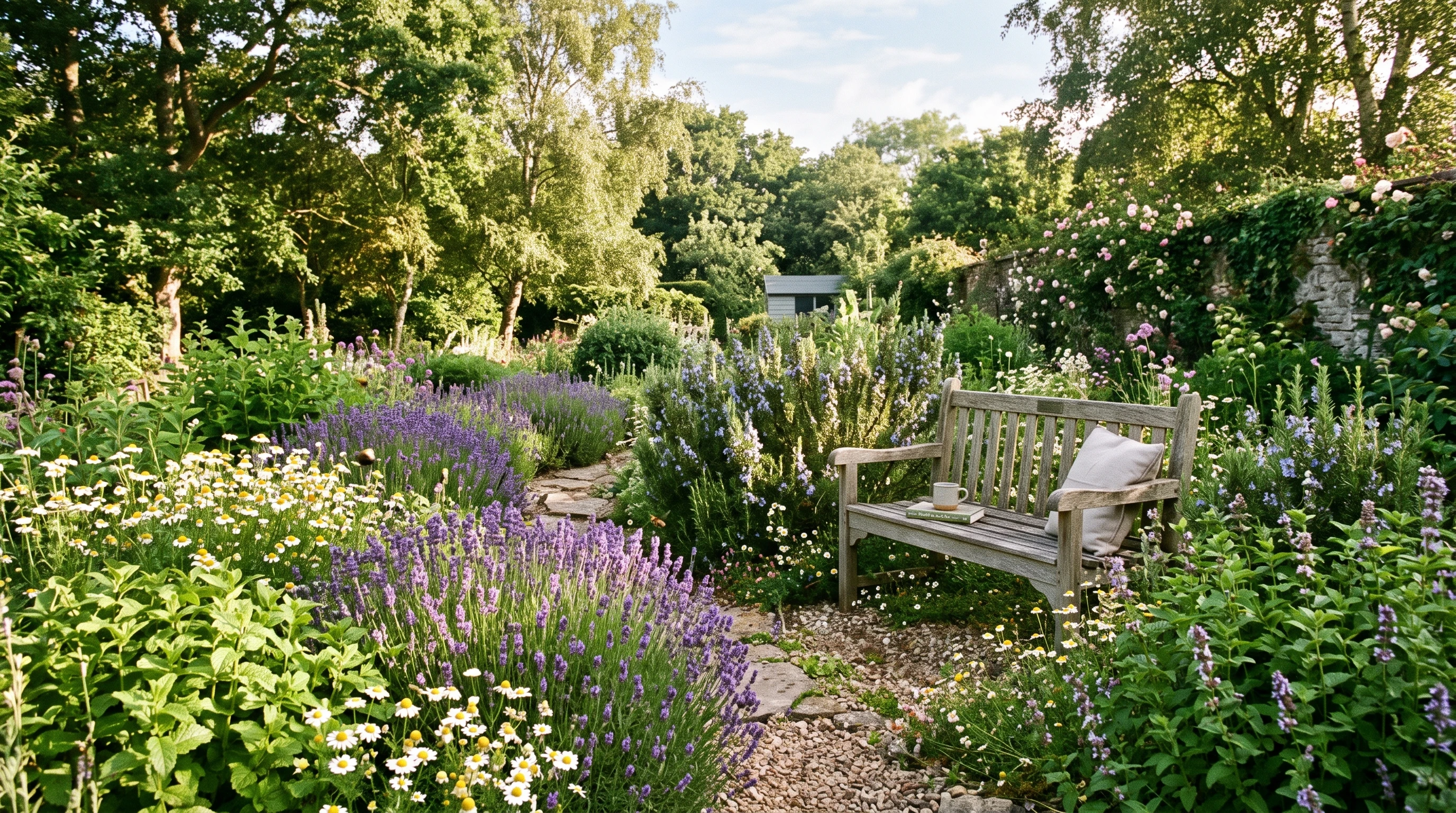
Welcome to Aromatherapy in the Garden: A Practical Guide
Aromatherapy gardens are beautiful to look at, and they are all about using natural plant scents to create a calming outdoor space. Adding aromatherapy to your garden can turn even a small backyard into a personal retreat for stress relief and meditation. I have spent plenty of afternoons surrounded by soothing fragrances, and I can say it is one of the best ways to enjoy your garden while taking care of your mind and mood. Here is a guide to help you get started, with easy plant choices and tips for making the most of those natural aromatherapy vibes.
Getting Started With Aromatherapy Gardening
What Is Aromatherapy Gardening?
Aromatherapy gardening is all about planting herbs and flowers whose scents have a positive effect on your well-being. Some plant fragrances are known to help with relaxation, ease stress, and make it easier to focus when meditating. Growing these plants right outside means you can enjoy their effects just by sitting nearby, brushing past them, or making simple herbal blends at home.
Why Add Aromatherapy Plants to Your Garden?
Aside from looking lovely, aromatherapy plants can help you feel more balanced. I find that the simple act of tending to a lavender bush or inhaling the scent of fresh mint makes a noticeable difference on even the busiest days. For many people, having easy access to soothing smells makes it much easier to unwind, whether they are meditating or just relaxing after work. Remember, a patch of aromatherapy herbs can be a great conversation starter and a point of pride in your neighborhood.
By growing your own aromatherapy plants, you can also enjoy fresher scents and know exactly what goes into your teas, sachets, or homemade blends. Watching the plants grow and change with each season adds another layer of enjoyment to your gardening experience and gives you something eye-catching to look forward to throughout the year.
Choosing Plants for Aromatherapy: Top Picks
Classic Stress Relief Plants
Some plants work especially well when you are building a garden focused on stress relief and relaxation. Here are a few I always recommend:
- Lavender: Probably the go-to plant for stress relief. The scent is gentle and comforting, and it grows easily in well-drained, sunny spots.
- Chamomile: If you like calming teas, this is a great choice. Its small, daisy-like flowers smell softly sweet and help set the mood for winding down.
- Lemon Balm: This herb gives off a fresh lemony scent. It is super useful for supporting mood and works well in both beds and pots.
- Rosemary: Strong and piney, rosemary offers a rich aroma that is great for clearing your head, especially before meditation.
- Jasmine: Sweet-scented jasmine works beautifully in the evening, when its flowers are most fragrant. I love sitting near it after sunset.
- Oregano can be a lovely addition to a garden designed with aromatherapy in mind. Its fresh, earthy aroma is especially noticeable when you brush against the leaves or harvest them for cooking. I enjoy having herbs like oregano around because the garden becomes a place of different scents, not just colors, and the bees love it. Even simply taking a moment to smell the plants can make gardening feel more relaxing and enjoyable.
Additional Aromatic Plants to Try
- Mint: Invigorating and clean, mint is perfect for a refreshing boost. It can spread fast, so better to keep it in containers.
- Sage: The earthy scent of sage is grounding and works well for meditative spaces.
- Thyme: Subtle and herbal, thyme is easy to grow and adds a gentle scent along pathways.
Combining just two or three of these plants can really transform the mood of an outdoor space. I like to mix perennial and annual choices so there is always something fragrant to enjoy throughout the year. Don’t be afraid to experiment and see which herbs and flowers you love most; everyone’s scent preferences are a bit different, and there are dozens more options like calendula, scented geraniums, or even marjoram to track down if you want to mix in some variety.
Benefits of Aromatherapy Plants for Stress Relief and Meditation
How Plant Scents Support Relaxation
Aromatherapy is all about how different scents trigger responses in your brain and body. Breathing in calming fragrances like lavender or chamomile can lower your heart rate and make it easier to let go of tension. I have noticed how just a few minutes near these plants helps me reset after a hectic day. For anyone looking to unwind, these natural scents are a low-effort way to feel more relaxed. Even if you have only a small balcony, a pot or two by your seating area makes a big difference.
Boosting Meditation With Plant Aromas
Having strong, pleasant scents in your garden can help with mindfulness and meditation. Certain plant fragrances help you focus, clear your mind, and stay present. I often use rosemary and sage before guided meditation. Just crushing a few leaves between my fingers and breathing in gets me in the right headspace quickly. Jasmine or night-blooming flowers can also add a special touch to evening meditation sessions. Setting up an aromatherapy spot with a comfy cushion and your favorite plants nearby turns even a small space into a meditative haven.
Mood Support and Everyday Calm
Scented plants offer more than just a quick mood boost. Ongoing exposure to soothing aromas in your environment can support long-term stress relief. Even when I am not meditating, taking care of these plants or simply sitting outdoors with a cup of tea brings a sense of calm. For families, spending time together in a scented garden encourages everyone to slow down and enjoy nature’s next-level cool effects. Kids love brushing their fingers through fragrant leaves, and it is a natural way to introduce them to gardening. If you have kids or pets, checking which plants are safest (like chamomile and rosemary) is important for peace of mind.
Planning and Designing Your Aromatherapy Garden
Pick the Best Spot
For the best experience, I suggest planting aromatherapy herbs and flowers close to spaces you naturally use for relaxing or meditating. Near a patio, under a favorite tree, or along a path are all good spots. If you like to meditate outside, try planting around your usual seating area so the scents surround you when there is a gentle breeze. For small urban spaces, even a window box of lavender and thyme can create a lovely effect.
Containers, Beds, and Mixed Borders
Raised beds work well for grouping lots of fragrant herbs together, but you can also use pots and containers, especially for plants that spread fast like mint or lemon balm. Mixing aromatic plants with flowers you love keeps things interesting throughout the seasons. I like to have taller varieties at the back of a border and shorter, bushier types nearer to the front where I can brush my hands across them for a burst of scent. Consider mixing in plants with colorful foliage for extra visual appeal, like purple sage or variegated thyme, to make your relaxation spot eye-catching as well as fragrant.
Accessibility and Maintenance
I keep things simple, with regular watering, occasional pruning to encourage growth, and the occasional top-up with compost. Most aromatherapy plants are pretty low maintenance if you pick varieties suited to your climate and soil. If you are not sure what works best in your area, talking to staff at a local nursery can save a lot of guesswork. Mulching around your plants can help retain moisture and cut down on weeding chores, letting you spend more time enjoying your garden and less time working in it.
How to Use Aromatherapy Plants in Daily Life
Direct Enjoyment
My favorite part about growing these plants is the instant effect of being outside, surrounded by gentle smells. Sitting quietly, taking deep breaths, or simply lounging in the garden really helps switch up my state of mind. For tougher days, picking a few sprigs to keep indoors or add to bathwater fills the whole room with natural fragrance. Some people even make little scented pillows or place sachets in drawers for a touch of calm throughout their homes.
DIY Herbal Blends
Once established, most gardens give plenty of leaves and flowers to use for homemade teas, sachets, or even essential oils. I often clip fresh herbs and tie them in small bundles to hang near my work desk or bed, where their scent helps me relax and refocus throughout the day. Drying lavender or lemon balm can give you year-round access to their scents, and you can blend them with other herbs for custom mixes tailored to your preferences. Sharing these homemade goodies with friends is also a lovely way to spread the word about aromatherapy gardening benefits.
Questions, Tips, and Further Reading
Where can I learn more about specific benefits of different plants?
Books, university extension websites, and trusted gardening blogs often cover super detailed info on herbs and their uses. I find the National Center for Complementary and Integrative Health has practical resources on how different plant oils and scents can affect mood and relaxation. Local libraries or plant societies are also good sources if you want to jump into more in-depth knowledge on less popular plants.
How do I keep pests away from my aromatherapy garden?
Many aromatic plants, like lavender, rosemary, and mint, double as natural pest deterrents, which is pretty handy for keeping your space comfortable. Just trim herbs regularly to keep them healthy and prevent overgrowth. If you want extra protection, mix in some marigolds or alliums, which add more color and help deter unwanted insects.
Are aromatherapy gardens pet safe?
Most common herbs are safe, but always double-check since some, like large amounts of sage or rosemary, can be tricky for pets if eaten. If you have concerns, check out the ASPCA plant database to make sure your choices are a good fit for your household. Creating a separate pet-friendly area is another option if you’re unsure about mixing all your plants together.
Conclusion
I believe it is important to integrate aromatherapy into your garden because it brings other senses and feelings into your garden. These plants have many benefits and look great in your garden, like Lavender.
If you have questions about plant combos, garden design for meditation, or sourcing starter plants, feel free to visit local nurseries or drop your questions on community gardening forums. You will find lots of helpful tips and get a boost from fellow gardening fans. Wrapping up, remember that your aromatherapy garden is a personal retreat; grow what you love and enjoy every moment in your naturally scented space.
What do you think about this article? Do you have any advice or suggestions? Please let us know your thoughts and write in the comment section below.
If you enjoy gardening, you might also enjoy some of my other posts about how this simple hobby can help you slow down, relax, and take a break from everyday stress. From the calming benefits of gardening to creating a more relaxing outdoor space, there are plenty of little ways to make your time in the garden even more enjoyable.
Take a look around the blog and discover more gardening and stress-relief ideas.
Please leave me a comment below and share it to let me know if this article helped you.
If you want to know more about ways you can manage stress, please subscribe to this blog.
Thank you! Have a nice day!
Until later
Linda Mo,
Founder and owner of How To Reduce Stress Naturally