Hello, all beautiful people! Today, we are going to talk about the science behind how reading reduces stress and anxiety. Many of us, I hope, love to read books, and reading is a great way to relax and reduce stress.
Many of us live stressful lives, so it is important to unwind and let the tension go. It is time to look at science and what it can tell us about reading as a way to reduce stress. Let’s go!
The Science of Reading for Stress Relief
If you’re looking for a way to unwind and lower your stress, reading is more than just a hobby. There’s real science showing how grabbing a book can take the edge off anxiety and help you relax. This guide walks you through why reading works so well, which parts of the brain are involved, what kinds of reading help most, plus some solid ways to make reading a soothing part of your daily routine.
Why Reading Calms the Mind
How Does Reading Reduce Stress?
Reading acts as a sort of escape hatch for the mind. When I read, my attention shifts away from what’s stressing me toward a different world or set of ideas. According to research from the University of Sussex, reading can lower stress by up to 68 percent, beating out other popular methods like listening to music or going for a walk (source). Engaging the imagination and focusing on something different from your worries helps calm your mind and offers a break from daily pressures.
Is Any Type of Reading Helpful?
Not all reading is the same when it comes to stress relief. I get the most benefit from stories or articles that really draw me in, whether that’s fiction, history, selfhelp, or poetry. The key is choosing content that keeps you interested and feels enjoyable or meaningful. News headlines or heavy topics might have the opposite effect, so I usually stay away from those if I’m already tense.
What’s Happening in the Brain?
Brain Pathways Triggered by Reading
It is fascinating to see how reading lights up lots of areas in the brain at once. As I process sentences, my brain’s language networks, visual cortex, and even regions connected to sensory experiences get to work. This complete brain workout helps redirect mental energy from stress triggers, letting my mind reset for a bit. Studies, like one from Emory University, show reading fiction can boost the connectivity in the brain (source 1, source2), which is part of why it feels both engaging and calming. Reading also improves empathy.
Effects on Heart and Body
I notice that after only a few minutes of reading, my body starts to relax. My breathing slows down, and my muscles begin to let go of tension. That is not just imagination. Research points out that even six minutes of reading can lower heart rate and ease muscle strain. The rhythm of reading combined with a peaceful environment helps trigger the body’s natural relaxation response, much like what happens in meditation.
Best Reading Practices for Stress Relief
What Should I Read?
Everyone’s taste is different. I recommend checking out books you think will pull you in, not just ones you “should” read. Some people like fantasy or mystery novels, while others go for biographies or uplifting essays. Even graphic novels or comics can do the trick if they grab your interest. If you are not sure where to start, try asking friends for recommendations or check out book lists online to spark new ideas.
How Long Do I Need to Read?
There isn’t any exact ideal amount of time. Some days I will read for just ten minutes and feel the stress drop, and other days I will settle in for an hour or more. Studies say as little as six minutes can help, but spending more time can bring an even deeper sense of calmness if your day allows for it. Reading regularly—even in short bursts—can give a good boost to your mood over time.
When and Where Is Reading Most Helpful?
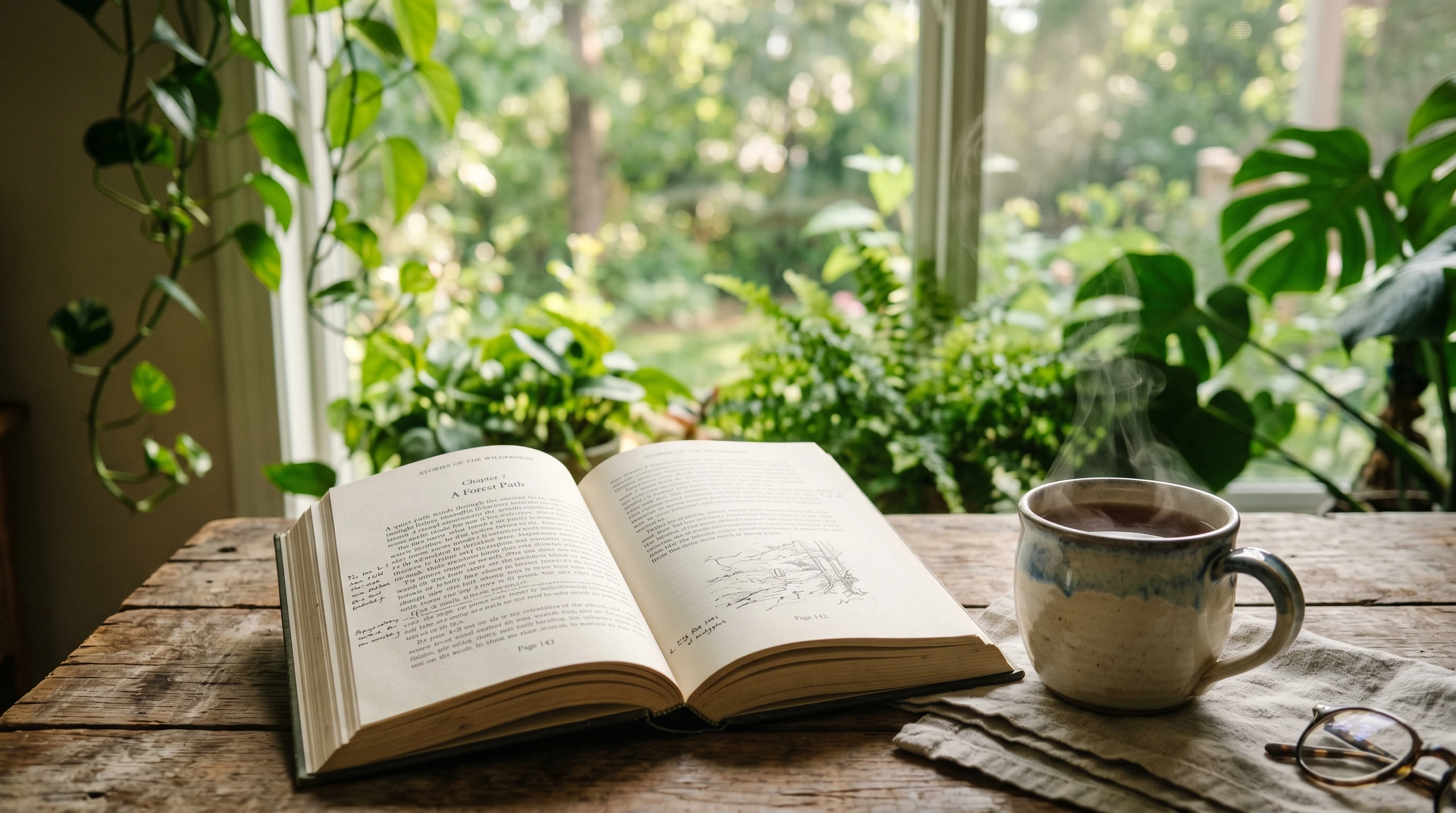
For me, reading in a comfy spot with good lighting is the most calming. Try a favorite chair, a soft blanket, and a mug of tea. I also notice that bedtime reading helps me nod off more easily by gently letting my body know it’s time to wind down. If you want the best stress relief, try switching off notifications or keeping your phone out of arm’s reach while you read so you can fully relax.
Adding a few extra tips: Sometimes pairing a gentle playlist or a background sound machine while reading boosts the soothing effect, especially in busy homes. And making a little reading nook, even if it’s just a pillow by the window, can encourage you to keep up the habit.
Common Questions About Reading and Stress Reduction
Does Reading on a Screen Work?
Paper books have an old-school feel, but e-readers work just as well. If you are using a tablet or phone, it helps to switch to “night mode” or turn on a blue light filter at night so it doesn’t interfere with your sleep. The main thing is choosing content that draws you in, letting you tune out stress for a while.
What if I Can’t Concentrate?
You are not alone. Sometimes settling in is tough when anxiety is high. If that is the case, try short articles, poems, or even audiobooks. Listening to stories can give similar benefits and comes in handy when your mind is too restless to sit and read.
Conclusion
Reading reduces stress and anxiety, and science shows that. A great idea is to make reading part of a stress relief toolkit, so to speak. Reading has always been a passion of mine, so it is only logical to use reading as a stress relief tool.
Building a reading habit takes a bit of intention, but once you fit it into daily life, it becomes an easy way to boost your mood. The science backs up what many book lovers have felt for years—reading can help you decompress and feel more at ease. Find something you like, create a spot you look forward to, and give yourself the space to unplug. If you want more information, there is a lot of research and book communities online worth checking out. You might even connect with others who are looking for the same stress relief and share recommendations to keep your reading list fresh. Happy reading!
What do you think about this article? Do you have any advice or suggestions? Please let us know your thoughts and write in the comment section below.
Meditation is always the best tool for stress relief. CLICK HERE to learn more about it
I would like to hear from you, so please leave me a comment below to let me know if this article helped you.
If you want to know more about ways you can manage stress, please subscribe to this blog.
If you think this article is helpful, please share it.
Thank you! Have a nice day!
Until later
Linda Mo,
Founder and owner of How To Reduce Stress Naturally
Hello Linda,
Thank you for your article. I was feeling very stressed last month and decided to visit the library to borrow some books. Reading helped me relax and take my mind off my worries. After reading your post, I now understand the science behind why reading can be so beneficial for reducing stress and anxiety. It’s amazing how something as simple as reading a book can have such a positive impact on mental well-being.
I have a question: Do you think audiobooks provide the same stress-reducing benefits as reading a physical book, or is there a difference between the two?
Thank you for sharing this valuable information!
Thanks for sharing your experience with us, Monica! I rather prefare phisical books; however, I guess audiobooks can work too, and many people cannot normally read. For them, audiobooks are the answer. I think it can have similar benefits, because you still get into the story, a different world, and stress falls away in that moment. Sure the is a difference between too, but the difference is not huge to take into account. Audobooks can help to silence negative thoughts. In this regard, they might be better than physical books for stress relief. However, I think people are different, so things that help one do not helped other one the same way.