
Many of us are pretty busy people, busy professionals. It is very important to think about stress relief techniques and use them. Too much stress is sadly part of our lives. If we don’t wanna get literally sick of chronic stress, most of us are dealing on a daily basis, then we need to learn how to reduce stress and relax.
Finding time to relax can feel nearly impossible when you are busy juggling meetings, deadlines, and emails. I understand how stress can pile up for professionals, especially when work starts creeping into personal time. Exploring the right stress relief techniques can help you keep things in check, lift your mood, and even improve productivity. Here, I will break down strategies that fit into hectic schedules, with insights from research and a few practical tips that I have found useful.
Why Stress Relief Matters for Busy Professionals
Stress at work isn’t just inconvenient; it can affect your health and career if you don’t manage it well. I have noticed that even when I try to power through tough weeks, ignoring stress leads to headaches, poor sleep, and even trouble focusing. According to the American Institute of Stress, workplace stress is linked to fatigue, high blood pressure, and lower morale.
It is pretty normal to feel overwhelmed when things get busy. The World Health Organization has recognized workplace burnout as an occupational phenomenon, and research from Yale shows that unmanaged stress can lower job performance and increase absenteeism. This makes practical stress relief techniques really important for both well-being and work success.
Everyday Stress Relief Techniques That Actually Work
You don’t need hours of free time or fancy equipment to lower your stress. Here is what I use, and what studies suggest works, for squeezing relaxation into a busy day:
- Mindful Breathing: Just taking a minute to pause and focus on slow, deep breaths helps me bring down my anxiety levels. One study in the journal Frontiers in Human Neuroscience found that mindful breathing improves mood and cognitive function. It found that even a brief mindfulness meditation session improved attention and cognitive performance.
- Short Walks: Even a five-minute walk during lunch can make a difference. Walking boosts endorphins and helps reset your mind. Researchers from Stanford found that spending time walking outdoors reduces stress and restores attention better than staying at your desk.
- Desk Stretches: A quick stretch for my neck or shoulders relieves tension and keeps me from feeling stiff. The Mayo Clinic recommends stretching as a quick way to combat the physical effects of stress during the workday.
- Digital Breaks: Putting the phone down for just ten minutes lets my mind reset. Studies from MIT highlight that constant notifications and screen time can ramp up stress, so scheduled digital breaks are really helpful.
Do you want to get some stress relievers, like stress balls? CLICK HERE to get it
Getting Started: Practical Steps for Building Relaxation Into a Packed Schedule
Making time for stress relief might feel unrealistic when your calendar is booked. I have figured out that slipping quick, simple changes into your everyday routine is doable and effective.
- Block Mini-Breaks On Your Calendar: Add five or ten-minute placeholders between meetings. Treating them as nonnegotiable appointments means using this time to recharge with water, stretches, or quick breathing exercises.
- Use Transition Times: Walking between offices, standing in the elevator, or even waiting on hold for a call can be a moment for breathwork or a gentle body scan. Dr. Judson Brewer, a leading mindfulness researcher, recommends these as prime micro-moments for relaxation.
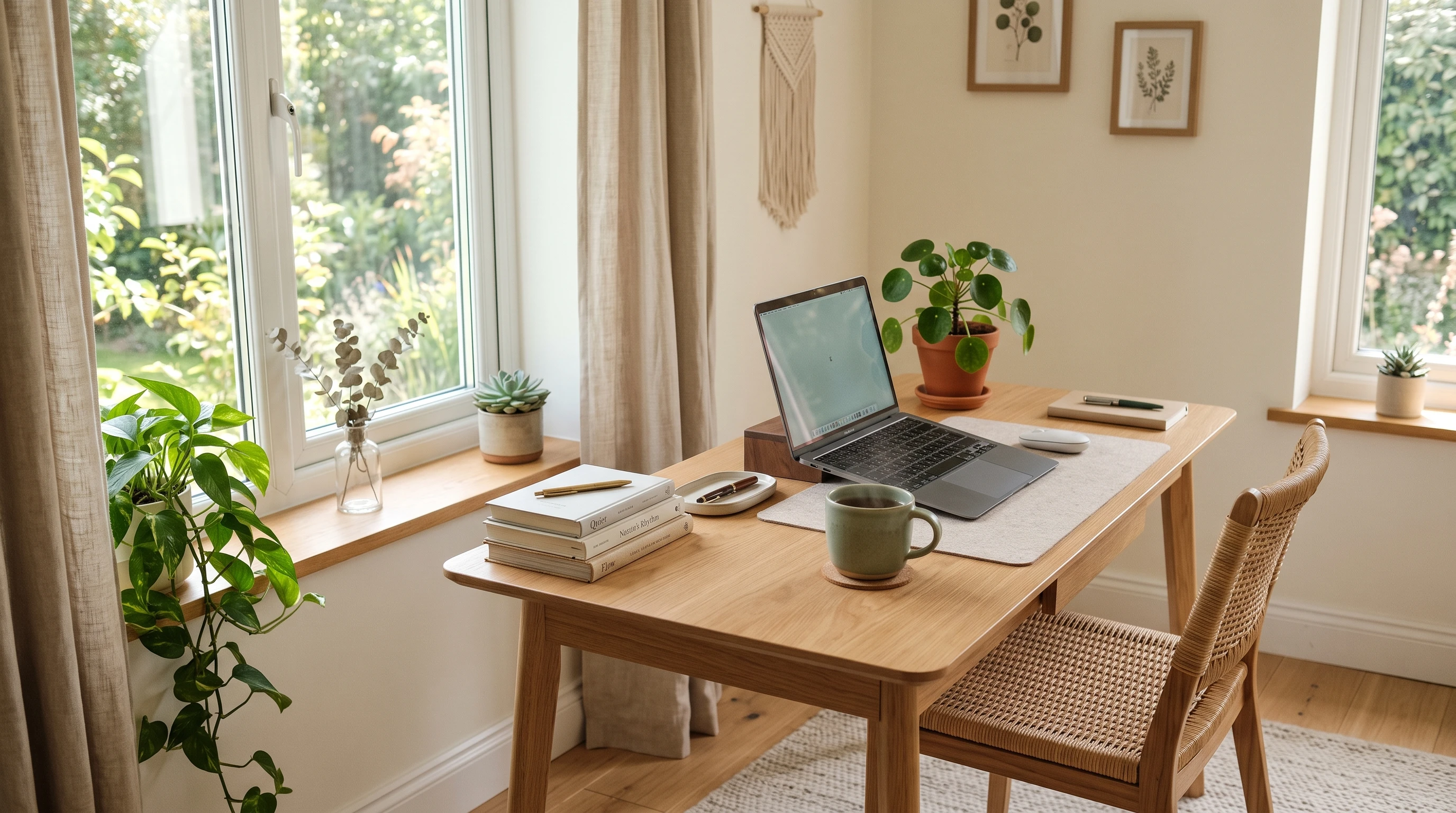
- Personalize Your Workspace: Adding plants, calming colors, or a small photo brings a sense of calm. A study published in HortScience found that indoor greenery reduces workplace stress and even increases creativity.
- Lean on Routines: Sticking to consistent routines, like a five-minute post-lunch quiet period, trains your mind and body to expect and enjoy stress relief, making it easier to keep up.
Things to Consider Before Trying Stress Relief Techniques
It is tempting to jump into relaxation trends, but I always pay attention to a few factors so I don’t add more stress trying to de-stress! It is possible, believe me.
- Know Your Triggers: I like to write down what really stresses me out, like back-to-back meetings or surprise deadlines, so I can use the right technique at the right time.
- Time Constraints: Pick techniques that realistically fit into your day. If you only have a few minutes between calls, something quick like a stretch or desk meditation is more manageable than a full workout.
- Work Culture: Some offices encourage wellness breaks, while others don’t. I focus on techniques that are subtle, like mindful breaths or posture resets, in more fast-paced environments.
- Personal Preferences: Not everyone likes meditation or aromatherapy. Trying out different stress relief options helps you find what actually works and feels natural for you.
Common Barriers and Simple Solutions
Some challenges do pop up when I try to squeeze relaxation into a packed workday. Here is how I get around them:
- No Privacy: When it is hard to step out, you can use noise-cancelling headphones for a few minutes or just sit quietly at your desk with eyes closed.
- Feeling Guilty: Sometimes I worry about taking breaks, but studies show breaks improve focus and productivity. The University of Illinois found that even brief breaks prevent mental fatigue.
- Lack of Routine: Setting calendar reminders is super useful, so I don’t forget to step away now and then.
Advanced Tips to Make Stress Relief Stick
I have learned that the best stress relief techniques are the ones you actually keep using. After trying out plenty of apps, gadgets, and routines, these tricks helped most:
Mix Movement With Mindfulness: Walking meditation, where you focus on each step and your surroundings, gets you moving while clearing your head. Research published in Mindfulness shows this combo reduces anxiety and boosts clarity.
Pair Stress Relief With Something You Love: I listen to my favorite music during a stretch break, which makes it more enjoyable and keeps me motivated. The British Journal of Health Psychology found that music makes stress reduction from exercise and mindfulness even better.
Track Progress: If you write down when you feel stressed versus calm, you start to notice patterns. A simple journal or app can help you see what works best.
Experiment With Technology: Apps like Headspace or Calm offer guided meditations as short as three minutes. Many even offer silent breathing timers or soothing soundscapes, so there is plenty of choice even on the busiest day.
Real-Life Examples: How Stress Relief Works in Action
I have heard from several colleagues about what actually helps them unwind and recharge on tough days:
- Quick Gratitude Lists: Writing down a few things you are thankful for in a notebook or a notes app can shift your mood. The Greater Good Science Center at UC Berkeley points out that gratitude practices lower stress and increase optimism.
- Office Yoga: There is a growing trend of companies offering group online yoga breaks, which build community while giving everyone a chance to reset.
- Nature Breaks: I used to walk outside for even a couple of minutes whenever possible, using the fresh air and sunshine as a fast stress buster. Tons of studies, including one from the University of Essex, show that even a little time in nature is great for mental health.
Frequently Asked Questions
Here are a few things people like to ask about stress relief for busy professionals. I have answered from experience and with some science-backed advice:
Question: How do I know which stress relief techniques will work for me?
Answer: Try out different options and give each one several days. Pay attention to how your body and mood respond. If you feel calmer or clearheaded, it is working. Some people prefer movement; others, mindfulness. There is no right or wrong.
Question: Can stress relief really boost productivity?
Answer: Yes. Loads of research, including work from the University of California, Riverside, finds that reducing stress with short breaks, exercise, or mindfulness leads to fewer mistakes and more creativity at work.
Question: How do I avoid feeling guilty for taking breaks at work?
Answer: Remind yourself that breaks make you sharper and more effective. If you need management buy-in, share research showing higher productivity and job satisfaction for employees who use quick wellness breaks.
Simple Tools and Products That Make Stress Relief Easier
While no one tool fixes stress, there are a few things that can make it easier to relax at work:
- A Quality Water Bottle: Staying hydrated keeps my energy up, and there is something calming about sipping water throughout the day.
- Desk Plant: Even a small succulent can help add a bit of calm, and there is solid evidence that plants lower workplace stress.
- Noiseless Fidget Tools: Quiet fidget spinners or stress balls are handy for letting go of tension during tough calls.
- App Recommendations: Mindfulness and breathing apps offer structured techniques right on your phone, so they are worth checking out if you like guided support.
Building a relaxing environment and routine doesn’t need to be complicated. Experiment with what feels natural, start small, and you’ll be surprised how quickly stress starts to loosen its grip.
Conclusion
For busy professionals aren’t that easy to deal with stress the right way, as many of us think may feel guilty for taking small breaks from work and such things. On the contrary, a small break can boost not only your mood, reduce stress, but also boost your productivity and creativity. We all want that, too much stress is bad for our well-being, health, and productivity. You cannot work well and efficiently if stress is too much for you.
Hopefully, you like these stress relief techniques mentioned today; some are very easy to do, and you will feel better afterwards. Surely, not all stress relief techniques would work the same for everyone. But we all can choose ones that could work for us.
What do you think about this article? Do you have any advice or suggestions? Please let us know your thoughts and write in the comment section below.
If you want to get some stress relievers, like stress balls? CLICK HERE to get them
Meditation is always one of the best techniques for stress relief. CLICK HERE to learn more about it
I would like to hear from you, so please leave me a comment below to let me know if this article helped you.
If you want to know more about ways you can manage stress, please subscribe to this blog.
If you think this article is helpful, please share it.
Thank you! Have a nice day!
Until later
Linda Mo,
Founder and owner of How To Reduce Stress Naturally
I really relate to the idea of using transition times instead of waiting for a proper break. On busy days, I often tell myself I will relax after finishing just one more task, but of course that moment keeps moving further away. Using the minute while a page loads, the kettle boils, or I am waiting for a call to begin feels much more realistic than planning a long meditation session. I am also curious about tracking stress, because I usually notice it only after my shoulders are already tense. How many days would you recommend recording these moments before trying to identify a reliable pattern and change the routine around it?
Thanks, Hanna, for your comment and for sharing! About your question, I would say no need to wait, the sooner the better to change the routine and start to add short breaks or other things needed for your stress management and relaxation. You need to think about your well-being. The sooner we understand what is happening, the pattern, the sooner we can change the routine for a better way to manage stress.